

Mitutoyo Asia Pacific Pte. Ltd.
- Home
- Success Stories
- Mitutoyo Asia Pacific Pte. Ltd.
Visualizing the Path from First Visit to Order
A “Glocal” Sales Platform Enabled by Sansan to Maximize Revenue
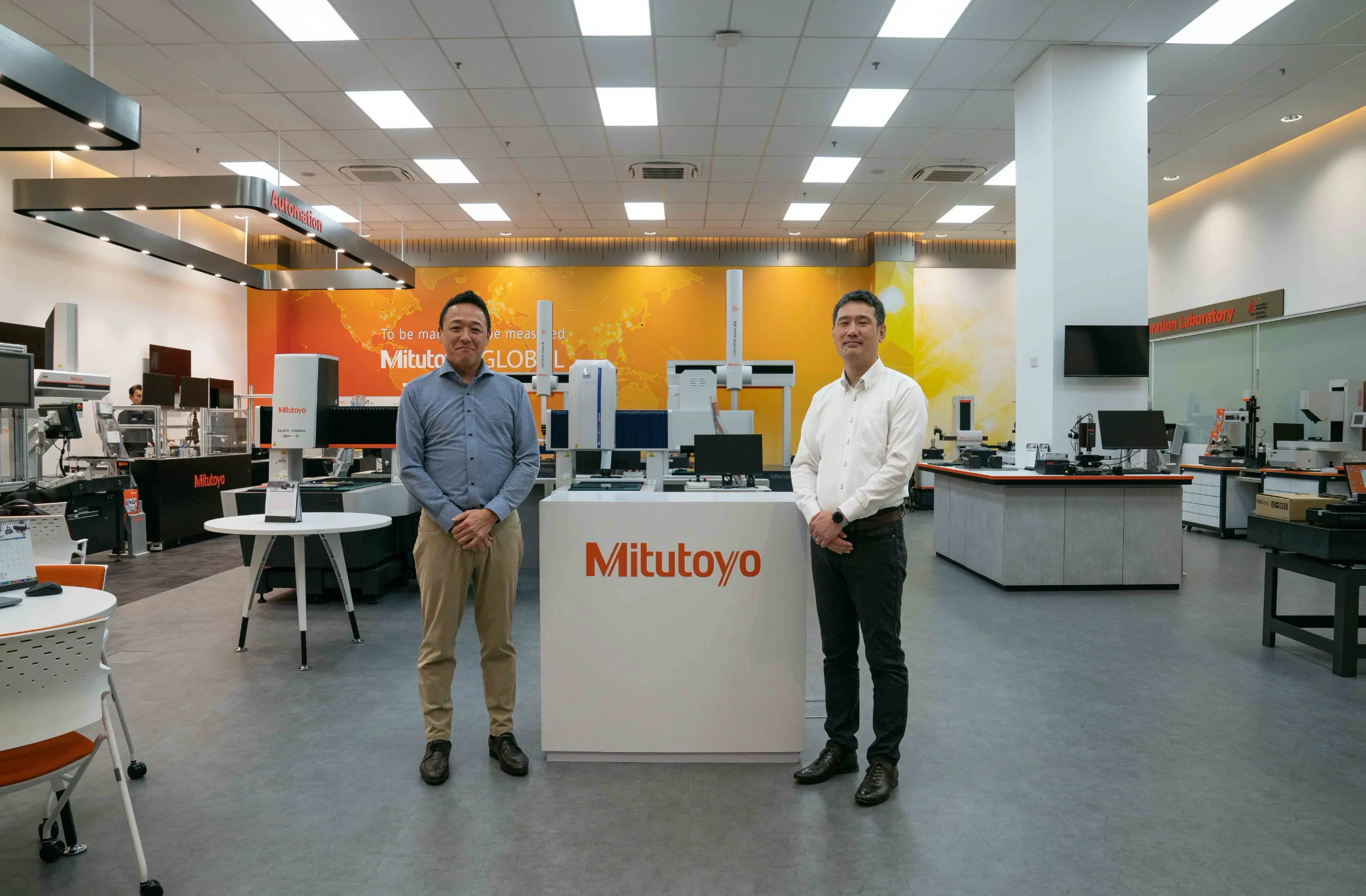
Mitutoyo Asia Pacific Pte. Ltd., the sales and service company of Mitutoyo Corporation, was established in Singapore in 1978 and serves as the regional headquarters for its ASEAN operations. The company currently provides sales and service for precision measuring instruments across six Southeast Asian countries (Singapore, Malaysia, Thailand, Indonesia, Vietnam, and the Philippines) and two Oceania countries (Australia and New Zealand). With plans to open an additional office in Australia next year, we spoke with the company about how it is leveraging Sansan to support its sales activities.
Challenges faced
- Turning business cards and sales histories into organizational assets
- Visualizing sales activities to improve efficiency
- Enhancing the accuracy of digital marketing
Objectives
- Person-dependent business card management and loss of customer information
- Lack of timely visibility into sales activities across countries
- Insufficient volume and targeting accuracy of email marketing lists
Results
- Strengthened organization-wide sales through shared business cards and sales data
- Improved accuracy in HR evaluation and inventory management by leveraging sales data
- Improved email frequency and open rates through card-based campaigns
The creation of a customer platform has led to
strengthened organizational sales capabilities
[ Interviewees ]
Mr. Takashi Matsuike / Managing Director
Mr. Taro Matsubara / Department Manager, Singapore & Regional Sales
Our previous opportunity management system only showed outcomes such as wins or losses, leaving sales processes and customer information dependent on individuals.

Business Overview
Mr. Matsuike: Our business can be broadly divided into two areas: measuring tools and measuring instruments. While sales schemes vary slightly by country, our primary approach is to work through distributors. At the same time, we also visit customers directly and work closely with our distributors to stay close to end users, practicing what we call “direct sales promotion.”
I was assigned to Singapore in January 2023. Our medium-term plan through 2029 is guided by the principles of “Transform, Drive Transform, Connect.” As the person responsible for overseeing ASEAN, my mission was to double revenue. To achieve this, we added the concept of “Challenge” specifically for ASEAN, and our first initiative was to rebuild our sales structure. Having relied on the same methods for many years, we were struggling to acquire new customers, which made the development of new sales channels essential.
Opaque Sales Management and Information Loss Due to Person-Dependent Business Card Management
Mr. Matsubara: Our sales activities follow two main flows. One involves working together with distributors, and the other uses digital marketing to promote products, generate awareness, secure appointments, and then connect those leads to sales. However, managing these activities posed significant challenges.
Our existing opportunity management system recorded outcomes such as orders won or lost, but it did not capture the substance of sales activities—why a deal was lost or what led to a successful order. Even for ongoing projects, it was difficult to track sales progress in real time. As a result, local subsidiary managers had to repeatedly ask sales representatives to explain what had happened whenever the numbers changed.
In addition, every personnel transfer caused past context to be lost. Business card information was also lost when employees transferred or left the company. Even when an appointment was secured, it was often unclear whether the contact was new or had an existing relationship, who had spoken with them previously, what products had been proposed, or how far discussions had progressed. This frequent loss of information became a serious issue.
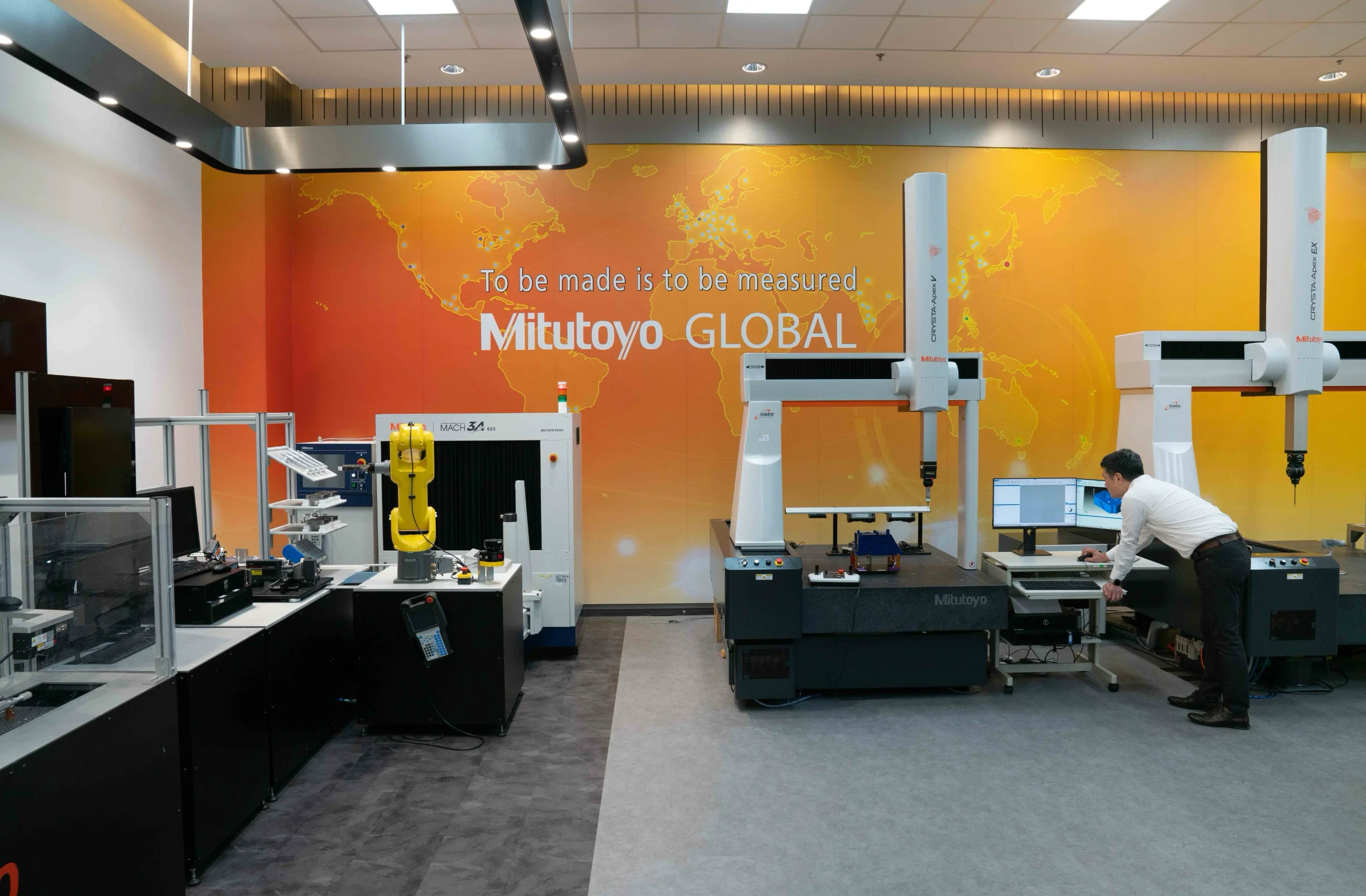
With greater visibility and information sharing in sales activities, a foundation was established to support locally driven sales operations.
Visualizing Sales Activities Enabled Optimal Inventory Strategies
Mr. Matsuike: By introducing Sansan, we gained visibility into the entire lifecycle of an opportunity, from start to finish. Adoption has progressed particularly well in Vietnam and the Philippines, where business card registration, input of sales information, and managerial review and feedback are now part of a continuous cycle. In Vietnam, the data entered into Sansan is also used for performance evaluations. In Singapore, we utilize Sansan’s opportunity management features and conduct reviews once or twice a week, which has dramatically improved communication with on-site teams.
For a company like ours, which handles more than 5,000 product types, visualizing sales activities is directly linked to inventory strategy. We centrally manage inventory for ASEAN in Singapore, which requires placing orders three to four months in advance. By understanding “which industries are active” through inquiry data in Sansan, we have forecasting. This insight also helps us determine appropriate inventory levels and identify products that should be prioritized for promotion.
Improved Email Distribution Frequency and Open Rates Through Campaigns Based on Business Card Data
Mr. Matsubara: We have also seen positive results in our marketing efforts. Previously, we created email distribution lists based on customer information obtained through web catalog downloads. However, due to inaccuracies caused by manual data entry and the large number of free email addresses, the data did not provide sufficient accuracy for business use.
Currently, by using business card data as the basis for our email campaigns, targeting accuracy has improved, leading to improved open rates and an increase in distribution frequency. Going forward, we plan to leverage Sansan’s tagging features to enable more accurate targeting and deliver more appropriate messages to relevant customers.
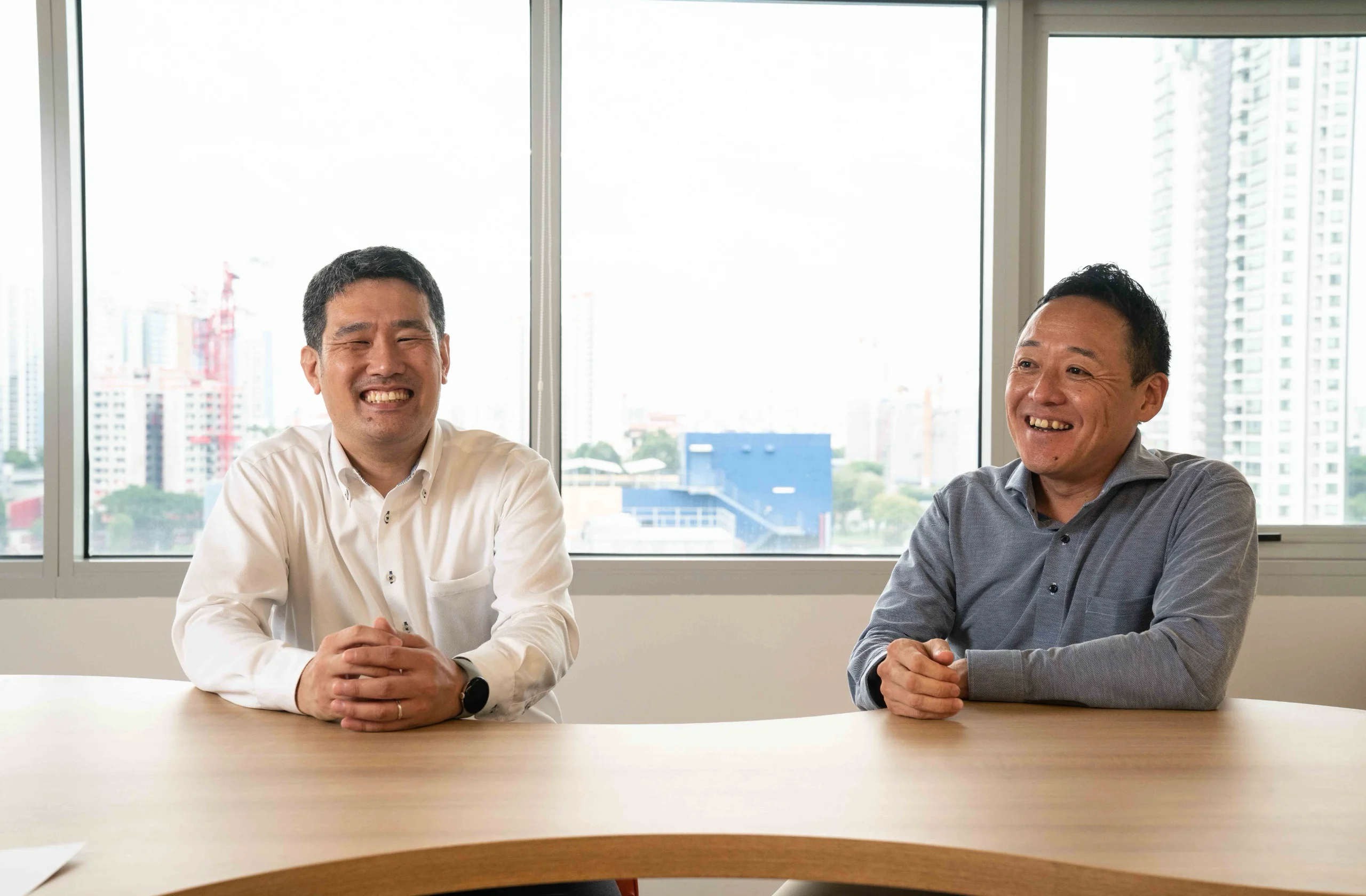
and the “Glocal” Sales Platform Supported by Sansan
Mr. Matsuike: In recent years, our customer composition has changed significantly. Japanese companies, which once accounted for 70–80% of our revenue, now represent only about half. Meanwhile, transactions with Chinese-owned and local companies have steadily increased.
To respond to these changes, our sales structure is gradually shifting from being led by Japanese staff to being led by local employees. While Mitutoyo operates based on a “global” strategy, we aim for each initiative to take root locally in alignment with each country’s culture and environment. Internally, we refer to this approach as “glocal.” Moving forward, we intend to further promote this “glocalization” and actively entrust positions of responsibility to local staff. That said, at this stage, support from Japanese staff remains essential. Transferring sales know-how and providing appropriate advice when needed are critical elements in making “glocal” successful. It is essential to have a mechanism that allows Japanese staff to understand the challenges faced by local teams in a timely manner and quickly offer alternative proposals or guidance.
Sansan is one of the foundations supporting this structure. By centrally managing and sharing business card information and sales activity data through Sansan, we have improved both the accuracy and speed of support, strongly reinforcing our “glocal” strategy.

▶ Interview at Mitutoyo Vietnam Co., Ltd.
Sansan is currently used across six ASEAN countries by Mitutoyo.
Among them, usage has progressed particularly well at the Vietnam
office. We spoke with the team about the challenges before imple-
mentation and the effects after its introduction.
[ Interviewees ]
Mr. Nguyen Van Khai
Assistant Manager, Sales Department, Mitutoyo Vietnam Co., Ltd.
Using information accumulated in Sansan, we were able to quickly approach decision-makers with whom we had no prior relationship, leading to order acquisition.
Inaccessible Customer Information Caused by Fragmented Management
I work as an Assistant Manager at Mitutoyo Vietnam Co., Ltd., providing measurement solutions for manufacturing companies and supporting improvements in quality control and operational efficiency.
Previously, customer information was managed in a fragmented manner, with each employee recording data in personal notebooks or Excel files. I personally entered customer names, project names, progress stages, and visit dates into Excel, but searching for necessary information was time-consuming and significantly reduced work efficiency.
Centralized Information and Visible Touchpoints Enabled Efficient Sales and Customer Support
Currently, employees in both the sales and technical support departments enter customer interaction histories—such as visit details and technical issues—into Sansan. As a result, we can easily understand ongoing projects and customer challenges before visits, making meeting preparation much more efficient. By centralizing the customer database, cross-departmental information sharing has become possible, enabling faster and more accurate responses to customer support requests.
The impact of Sansan is directly reflected in sales activities. Previously, when trying to secure an appointment with a customer we had not exchanged business cards with, we first had to ask colleagues and search through physical business card files. Now, because all employees scan and register business cards in Sansan, we can access the necessary information in just 30 seconds through a search, without relying on colleagues. The issue of not knowing “who had a connection with which contact” has been resolved by Sansan.
Rapid Outreach to Decision-Makers Leading to Order Acquisition
There is a representative example that illustrates the sales impact of Sansan. In a project to deliver a coordinate measuring machine to a motorcycle parts manufacturer, I had advanced negotiations to the final stage with the quality control manager. However, when I contacted them to confirm progress, I learned that they had already left the company, and no information about their successor had been shared.
Through Sansan, I quickly found the contact details of a director at the company that a colleague had registered. When I contacted them directly, I learned that the customer was considering a competing product with higher price competitiveness. I immediately requested a meeting and carefully explained the advantages of our product. As a result, the director reconsidered their decision and ultimately selected our product. Thanks to Sansan, I was able to quickly approach the decision-maker, leading to the success of the project.

▶Mitutoyo Philippines, Inc. での取材
現在、ASEAN6ヵ国でSansanを利用しています。その中でも特に活
用が進むフィリピン拠点に、導入前の課題と導入後の効果について
お話を伺いました。
[ お話を伺った方 ]
Minon Delilah D. 様
Senior Engineer, Sales Department, Mitutoyo Philippines, Inc.
As the sharing and searching of customer information became faster, sales activities grew more efficient, making it possible to re-engage dormant customers.
Inefficient Preparation Before Customer Visits
I work as a Senior Sales Executive at Mitutoyo Philippines, Inc., collaborating with dealers to acquire new customers, promote sales, and improve sales processes.
Although we do not sell directly to end users and primarily operate through dealers and agents for sales and after-sales support, there are cases where we visit customers directly upon request. Before visits, we check websites and internal records to see if any colleagues already have contact information. After visits, we prepare sales reports and share them with the sales team and managers. Before introducing Sansan, this preparation took a great deal of time. We first searched email histories, and if nothing was found, we had to check paper business cards one by one, which was extremely inefficient.
Leveraging Customer Data to Achieve Greater Efficiency and Re-engagement with Dormant Customers
After implementation, customer information management improved significantly. All past business cards were registered using scanners, and in daily operations, business cards received after visits are scanned or photographed and uploaded immediately. Customers without business cards can also be digitized by recording their name, department, title, and contact information, and virtual business cards exchanged via QR codes are reflected instantly.
This system enables rapid sharing and searching of customer information, dramatically improving the efficiency of appointment setting and visit preparation. Without spending time on unnecessary confirmation tasks, we can quickly move on to the next action. In particular, for dormant customers who had already installed our machines but had not engaged in transactions for some time, we are now able to propose visits to check usage status, helping to rebuild relationships.
Furthermore, by entering sales reports into Sansan, we can centrally manage activity histories for each customer. This allows us to respond to visit requests from dealers with an understanding of past transactions and meeting records, resulting in smoother deal progression and a structure in which we can always grasp the process from visit to order.
This document was prepared in October 2025. The content reflects information available at the time of preparation.


